
Homemade Pesto Sauce
Why Make This Recipe
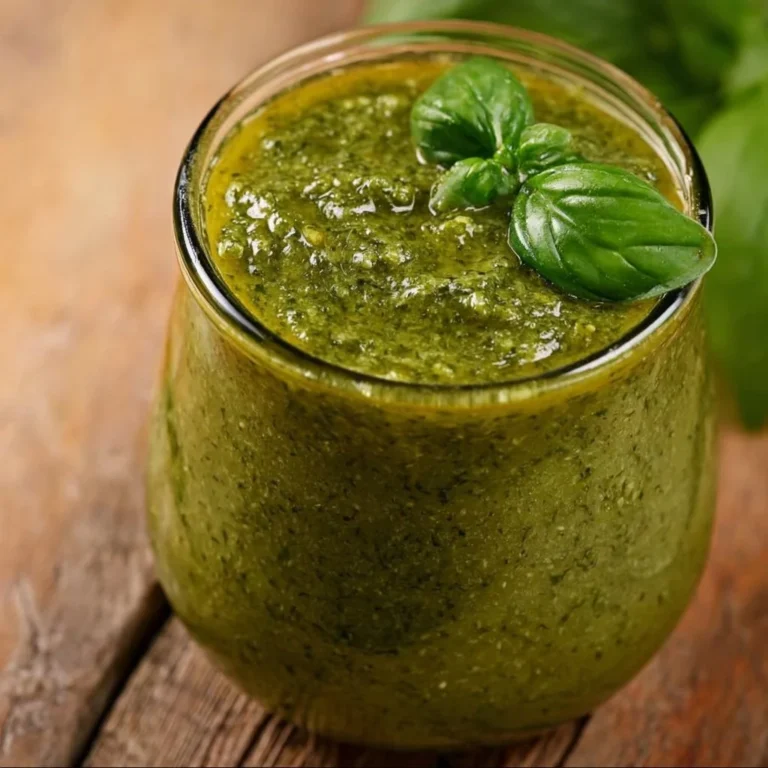
Homemade pesto sauce is a delightful blend of fresh ingredients that brings vibrant flavors to your dishes. Unlike store-bought varieties, making your own pesto allows you to control the ingredients and customize the flavors to your liking. Plus, there’s something incredibly satisfying about preparing a sauce from scratch. The freshness of the basil, the creaminess of the cheese, and the richness of the olive oil combine to create a sauce that is bursting with flavor. Additionally, when you make pesto at home, you can adapt the recipe to suit your dietary preferences or to highlight seasonal ingredients. With this homemade pesto, you can elevate your pasta, sandwiches, pizzas, or even use it as a dip for fresh vegetables.
How to Make Homemade Pesto Sauce
Making your own homemade pesto is simple and quick. In just a few steps, you can create a delicious sauce that you will want to use on everything! Here’s how to make it:
Ingredients
- 2 cups fresh basil leaves
- 1/2 cup Parmigiano-Reggiano cheese, grated
- 1/2 cup olive oil
- 1/4 cup pine nuts (optional)
- 2 cloves garlic
- Salt and pepper to taste
- Splash of cream
Directions
-
Prepare Your Ingredients: Start by washing the fresh basil leaves thoroughly. It’s important to remove any dirt or debris. After washing, pat them dry with a clean towel to remove excess moisture.
-
Combine in Food Processor: Next, place the basil leaves, grated Parmigiano-Reggiano cheese, optional pine nuts, and garlic cloves in a food processor. This appliance will help to blend everything smoothly.
-
Pulse Until Chopped: With the lid secured on the food processor, pulse the mixture a few times until all the ingredients are finely chopped. You want to create a coarse mixture, so be careful not to over-process.
-
Add Olive Oil: While the food processor is running, slowly drizzle in the olive oil. This technique allows the oil to emulsify with the other ingredients and creates a smooth pesto. Blend until the sauce reaches your desired consistency.
-
Season: Stop the processor and scrape down the sides to ensure everything is well mixed. Season the pesto with salt and pepper to taste. Start with a small amount, and you can always add more later.
-
Add Cream: For a richer and creamier pesto sauce, add a splash of cream. Blend again until everything is mixed.
-
Taste and Adjust: Give your pesto a taste test. You might want to adjust the seasoning, add more Parmesan, or even more garlic, based on your personal preferences.
-
Use or Store: Enjoy the pesto sauce right away by tossing it with your favorite pasta or using it as a dip. If you have leftovers, store the pesto in an airtight container in the refrigerator for later use!
How to Serve Homemade Pesto Sauce
Homemade pesto sauce is incredibly versatile. Here are some ideas on how to serve it:
-
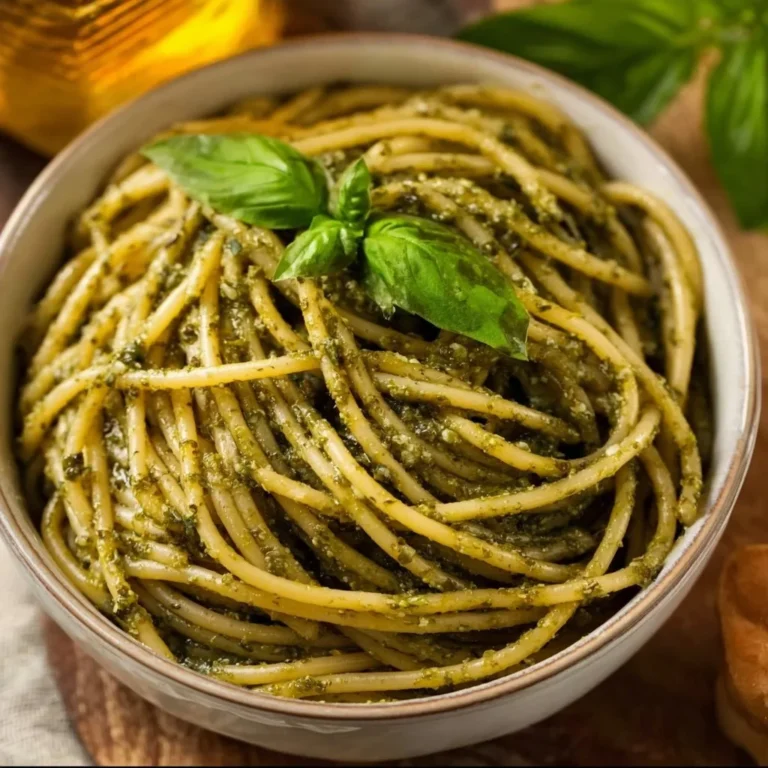
Toss with Pasta: The classic way to enjoy pesto is with pasta. Cook your favorite pasta, drain it, and then mix in a generous amount of pesto while it’s still hot. The heat from the pasta will help to release the flavors of the sauce.
-
Spread on Sandwiches: Use pesto as a spread on sandwiches or wraps. It adds a fresh, herby flavor to turkey, chicken, or veggie sandwiches.
-
Pizza Base Sauce: Instead of tomato sauce, spread pesto on your pizza dough as a base. Top with cheese, vegetables, or meats of your choice for a delicious twist on traditional pizza.
-
As a Dip: Serve pesto as a dip for fresh veggies, crackers, or bread. It adds a gourmet touch to any appetizer platter.
-
With Grilled Proteins: Drizzle pesto over grilled chicken, fish, or vegetables for an added layer of flavor. The freshness of the sauce pairs beautifully with grilled foods.
-
In Soups: Stir a spoonful of pesto into soups for a burst of flavor. It works well in vegetable, chicken, or minestrone soups.
How to Store Homemade Pesto Sauce
To keep your homemade pesto fresh for a longer time, follow these storage tips:
-
Refrigerate: If you plan to use your pesto within a week, store it in an airtight container in the refrigerator. Be sure to cover the surface of the pesto with a thin layer of olive oil to prevent browning.
-
Freeze: For longer storage, pesto freezes very well. You can freeze it in small portions using ice cube trays, then transfer the frozen cubes to a freezer-safe bag or container. This way, you can take out just the right amount for your next meal.
-
Thawing: When you’re ready to use the frozen pesto, simply take out the desired amount and let it thaw in the refrigerator overnight or for a few hours at room temperature.
Tips to Make Homemade Pesto Sauce
Creating the perfect pesto can be a fun and creative process. Here are some tips to help you make the best homemade pesto:
-
Use Fresh Ingredients: The flavor of your pesto relies heavily on the freshness of the ingredients. Choose vibrant basil leaves, high-quality olive oil, and fresh garlic for the best results.
-
Experiment with Nuts: While pine nuts are traditional for pesto, feel free to experiment with other nuts like walnuts, almonds, or pecans. This can alter the flavor and texture of your sauce.
-
Adjust the Cheese: If you can’t find Parmigiano-Reggiano cheese, other hard cheeses like Pecorino Romano or Grana Padano can be good substitutes. Each cheese has its own unique flavor profile, which will change the overall taste of the pesto.
-
Be Careful with Garlic: Garlic can become very overpowering. Start with a smaller amount, and you can always add more if you want a stronger garlic flavor.
-
Use a Mortar and Pestle: For a traditional touch, try using a mortar and pestle instead of a food processor. This method requires more effort but can result in a more textured and aromatic pesto.
Variation
While the classic basil pesto is delicious, there are several variations you can try. Here are a few ideas:
-
Sun-Dried Tomato Pesto: Add sun-dried tomatoes for a rich, fruity twist. Replace part of the basil with sun-dried tomatoes and blend as usual.
-
Spinach and Kale Pesto: For a boost of nutrients, mix in some spinach or kale with the basil. This variation retains the fresh taste while adding extra greens.
-
Artichoke Pesto: Blend in canned or frozen artichokes for a unique flavor. This can add a nice richness to the pesto.
-
Vegan Pesto: Omit the cheese and use nutritional yeast instead for a cheesy flavor without dairy. You can also add more nuts or seeds for creaminess.
FAQs
1. Can I use other herbs besides basil?
Yes! You can substitute other herbs like parsley, cilantro, or arugula for basil. Each herb will impart a different flavor.
2. How do I prevent pesto from turning brown?
To prevent browning, store pesto in an airtight container and cover the surface with a layer of olive oil. You can also add a squeeze of lemon juice for extra protection against oxidation.
3. Can I make pesto without nuts?
Absolutely! You can make nut-free pesto by simply leaving out the nuts. You can also use seeds like pumpkin or sunflower seeds as an alternative.
In conclusion, homemade pesto sauce is an easy and delicious way to add flavor to your meals. With simple ingredients and a few quick steps, you can enjoy a fresh, vibrant sauce that can be used in countless ways. Whether you’re tossing it with pasta, spreading it on sandwiches, or using it as a dip, homemade pesto is sure to please everyone at the table!