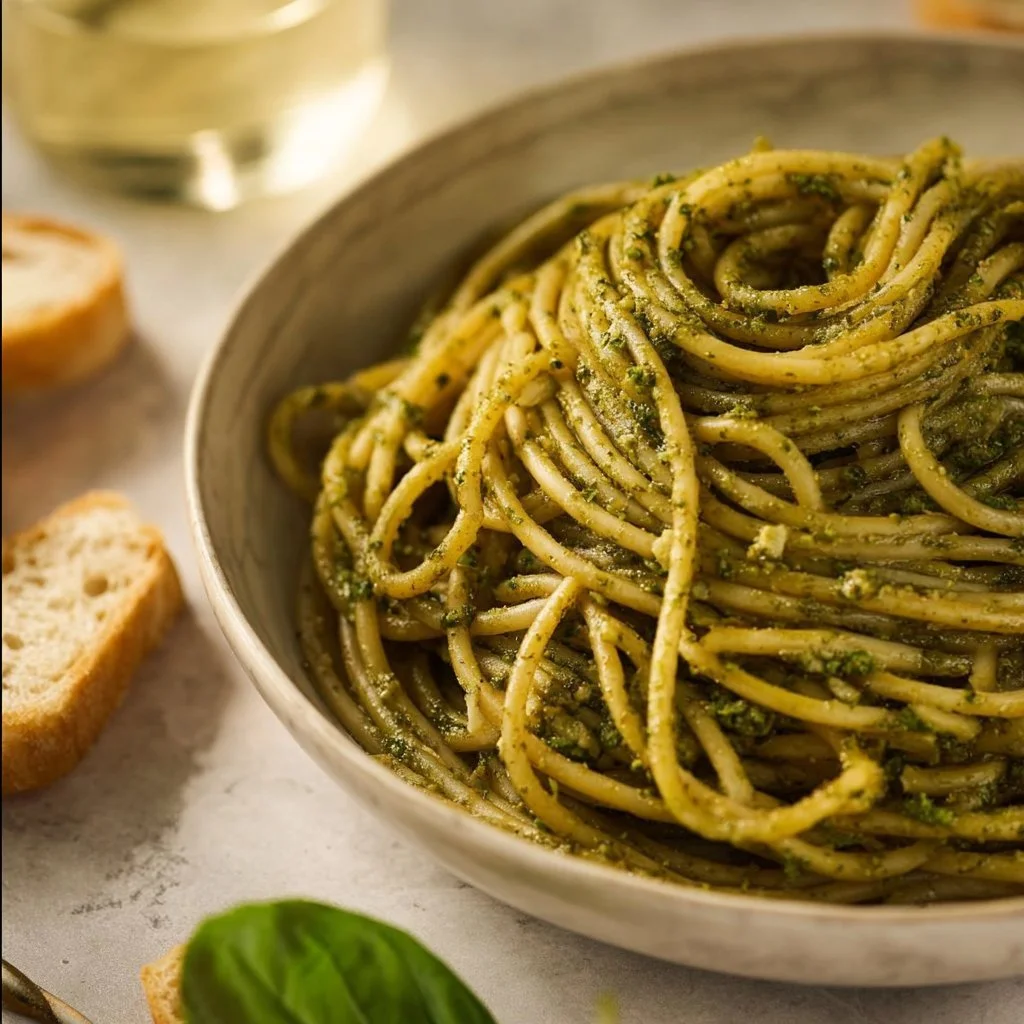
Homemade Pesto Sauce
why make this recipe
Homemade Pesto Sauce is a vibrant and delicious addition to many dishes. This green sauce bursts with flavor and can elevate simple meals. Making pesto at home allows you to control the ingredients and customize the taste. You can ensure freshness by using high-quality basil and ingredients, making it not only tastier but also healthier than most store-bought options. Plus, it’s easy and quick to prepare, making it a perfect choice for busy cooks.
Pesto sauce can be used in so many ways. You can toss it with pasta for a classic dish, spread it on bread, or use it as a dip for veggies. It adds a delightful touch to chicken or fish and complements many salads. The versatility of pesto makes it a staple in many kitchens. Beyond flavor, making your own pesto is a small act of cooking that connects you to the rich tradition of Italian cuisine. It’s a simple recipe that brings joy and satisfaction, both in the making and the eating.
how to make Homemade Pesto Sauce
Making your own pesto sauce is straightforward and rewarding. You do not need any special skills or equipment. If you have a food processor, you’re all set! Let’s break down the steps in detail so you can create a delicious batch of homemade pesto.
Ingredients:
- 2 cups fresh basil leaves: Choose bright green, vibrant leaves for the best flavor.
- 1/2 cup grated Parmigiano-Reggiano cheese: This cheese adds a salty and nutty flavor to your pesto.
- 1/2 cup olive oil: Use a good-quality extra-virgin olive oil for the best taste.
- 1/4 cup pine nuts: These add a creamy texture and a hint of sweetness.
- 2 cloves garlic: Fresh garlic gives your pesto a strong flavor.
- 1/4 cup heavy cream: This adds richness to the sauce.
- Salt and pepper to taste: Essential for enhancing the flavors.
Directions:
-
Prepare the Ingredients: First, wash the fresh basil leaves thoroughly and dry them gently. You want to remove any excess water to keep your pesto sauce from becoming too watery.
-
Mix the Core Ingredients: In your food processor, combine the fresh basil leaves, grated Parmigiano-Reggiano cheese, pine nuts, and garlic cloves.
-
Pulse to Combine: Pulse these ingredients together. You want them to be finely chopped and well mixed. Be careful not to over-process; a bit of texture is nice in pesto!
-
Add Olive Oil: While the food processor is running, slowly pour in the olive oil. This helps emulsify the mixture and allows all the ingredients to blend beautifully. Keep blending until you achieve a smooth consistency.
-
Stir in Heavy Cream: Once the mixture is smooth, stir in the heavy cream. This will make the pesto richer and creamier.
-
Season: Finally, season your pesto with salt and pepper to taste. Enjoy adjusting to your preference, but start with a little, as the cheese already adds some saltiness.
-
Serve: Your homemade pesto sauce is now ready to use! You can toss it with freshly cooked pasta or use it as a dip or spread.
how to serve Homemade Pesto Sauce
Homemade Pesto Sauce is incredibly versatile, which makes it a delightful addition to various meals. Here are several ways to serve it:
-
Pasta: Toss freshly cooked pasta with pesto for a quick and flavorful meal. You can use any pasta shape, but traditional choices are spaghetti, fettuccine, or penne. A sprinkle of extra Parmesan on top enhances the visuals and flavor.
-
Sandwich Spread: Use pesto as a spread on sandwiches. It pairs wonderfully with turkey, chicken, or roasted vegetables, adding a fresh bite that brightens up the entire sandwich.
-
Dip: Serve it as a dip with fresh vegetables or bread. It’s perfect for parties or as a simple snack.
-
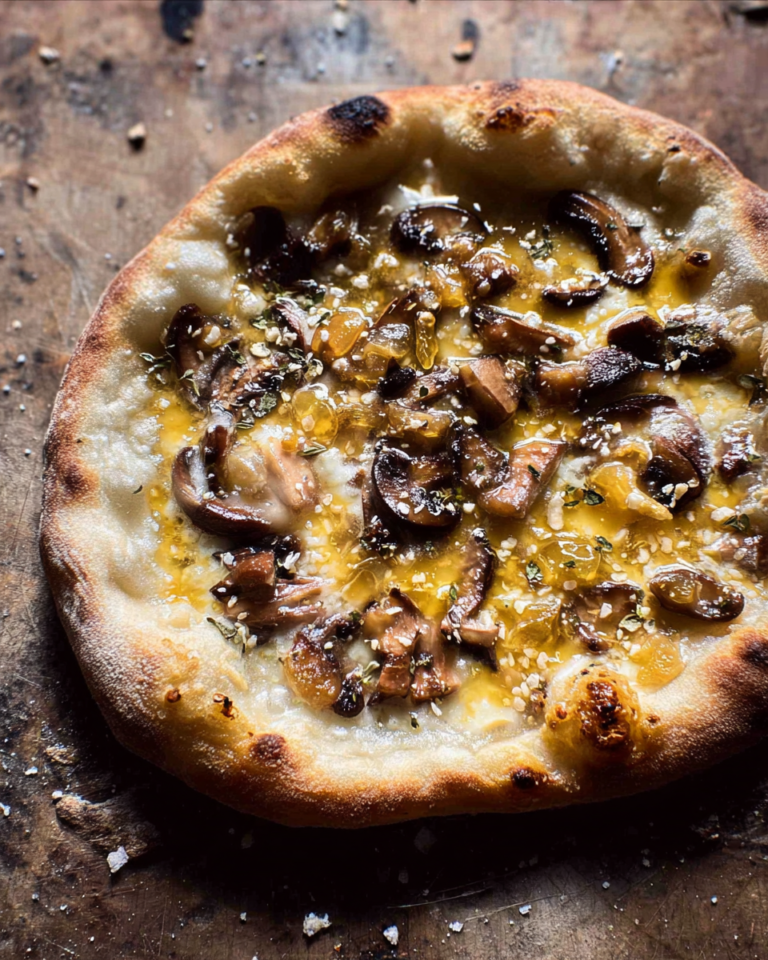
Pizza: Spread pesto over pizza dough instead of tomato sauce for a different, herbaceous flavor. Top with your favorite cheese and cured meats for a delicious twist.
-
Marinade: Use pesto as a marinade for chicken or fish. It not only adds flavor but also helps keep the meat tender and juicy when cooked.
-
In Soups and Stews: Stir a spoonful of pesto into soups or stews just before serving for an extra depth of flavor.
Remember, you can get creative with how you use pesto sauce. The more you explore, the more you’ll discover the delicious possibilities.
how to store Homemade Pesto Sauce
If you have leftover pesto or want to make a batch to enjoy later, proper storage is essential to keep its vibrant color and flavor. Here’s how to do it:
-
Refrigeration: Place the freshly made pesto sauce in an airtight container. You can cover the surface with a thin layer of olive oil to help prevent oxidation, which may cause browning.
-
Duration: Homemade pesto will typically last about one week in the refrigerator. Always check for any off smells or changes in color before using it.
-
Freezing: For longer storage, consider freezing your pesto. You can fill an ice cube tray with pesto, freeze it, and transfer the cubes to a freezer bag once solid. This way, you can pull out just the amount you need for future meals. Frozen pesto can last up to six months in the freezer.
-
Defrosting: When you’re ready to use frozen pesto, simply take out the desired amount and let it thaw in the refrigerator overnight, or you can defrost it quickly in the microwave.
By taking these storage steps, you can enjoy your delicious homemade pesto sauce long after you make it!
tips to make Homemade Pesto Sauce
When making your homemade pesto sauce, a few tips can help ensure you get the best results possible:
-
Quality Ingredients: Use fresh, high-quality ingredients. The taste of your pesto will depend largely on the freshness of your basil and the quality of your olive oil and cheese.
-
Traditional Nuts: Pine nuts are traditional in pesto, but you can substitute them with walnuts or almonds if you prefer. Just keep in mind that it will change the flavor slightly.
-
Adjust to Taste: Don’t hesitate to adjust the flavors to your liking. You may want to add more garlic for a punchier flavor or more cheese for a cheesier pesto.
-
Use Stems: If you have leftover basil stems, consider adding those as well to maximize flavor and reduce waste.
-
Experiment with Herbs: Feel free to mix in other herbs like parsley or cilantro for a unique twist. You can create a new flavor profile while still maintaining the essence of pesto.
variation
While the classic recipe for homemade pesto sauce is delightful, you might want to experiment with different flavors and ingredients:
-
Sun-Dried Tomato Pesto: Add sun-dried tomatoes to your basil mix for a tangy twist. This version pairs wonderfully with pasta and bread.
-
Arugula Pesto: Substitute half of the basil with arugula for a peppery kick. This adds freshness and a unique flavor.
-
Nut-Free Pesto: If you have nut allergies, simply omit the nuts or replace them with nutritional yeast for a cheesy flavor without the nuts.
-
Cilantro Pesto: Swap out basil entirely and use fresh cilantro for a zesty and fresh take, perfect for Mexican-inspired dishes.
-
Vegan Pesto: You can replace the cheese with nutritional yeast and skip the heavy cream. The result is a tasty vegan pesto that everyone can enjoy.
-
Herbed Pesto: Use a mix of fresh herbs such as basil, parsley, and mint to create a unique herbed pesto that’s rich in flavor.
These variations give you tons of options to try. You may find a new favorite!
FAQs
1. Can I use dried basil instead of fresh basil?
While you can use dried basil in a pinch, it’s highly recommended to stick with fresh basil for the best flavor and texture. Dried herbs lack the freshness needed for authentic pesto.
2. What can I replace if I don’t have pine nuts?
If you don’t have pine nuts, using walnuts, sunflower seeds, or even almonds can work well. Each nut variety will give its own unique flavor.
3. Why is my pesto too bitter?
Bitterness can come from over-processing the basil or using older leaves. Make sure to use fresh, bright green basil and avoid blending too long.
4. Can I make pesto without a food processor?
Yes! If you don’t have a food processor, you can chop everything finely by hand using a sharp knife. It will take longer but can be just as enjoyable to make.
5. How can I fix pesto that is too thick?
If your pesto is too thick, you can stir in a little extra olive oil or even a splash of water to reach your desired consistency.
6. What dishes can I use pesto with?
Pesto is extremely versatile! You can use it with pasta, on sandwiches, as a pizza base, in salads, or as a dip. The possibilities are endless!
By making Homemade Pesto Sauce, you embrace the joy of cooking while also enjoying a burst of fresh flavors. It’s perfect for sharing and experimenting, making your meals even more exciting and tasty! So, gather your ingredients, and create your homemade pesto today. Enjoy!