Easy French Bread Recipe: Golden Crust, Soft Center in 90 Minutes
There’s something magical about the aroma of freshly baked bread filling your home, and French bread holds a special place in the hearts of bakers and food lovers alike. This easy French bread recipe will transform your kitchen into a Parisian bakery in just 90 minutes, delivering that perfect golden crust and soft, chewy interior that makes this bread so irresistible.
Unlike many bread recipes that require hours of rising time, this version streamlines the process while maintaining all the authentic characteristics that define great French bread. The secret lies in the simple ingredients and straightforward technique that anyone can master, even if you’re new to bread baking.
Why This French Bread Recipe Works So Well
What sets this recipe apart is its beautiful balance of simplicity and authenticity. The combination of warm water, active yeast, and just the right amount of sugar creates the perfect environment for fermentation, resulting in that characteristic airy crumb structure. The flour-to-water ratio has been carefully tested to ensure the dough has just the right hydration for that crisp crust while maintaining a soft interior.
One of the joys of making French bread at home is the control you have over the ingredients. No preservatives, no artificial additives – just pure, wholesome bread that tastes exactly as bread should. This recipe is also incredibly versatile. You can enjoy it fresh from the oven, use it for sandwiches, or transform it into delicious croutons for salads.
Essential Ingredients for Perfect French Bread
The beauty of French bread lies in its simplicity. You only need a handful of basic ingredients, but each plays a crucial role in creating that perfect loaf:
- All-purpose flour: Provides the structure and texture
- Active dry yeast: Creates the rise and airy texture
- Warm water: Activates the yeast and hydrates the flour
- Granulated sugar: Feeds the yeast for optimal rising
- Fine sea salt: Enhances flavor and controls yeast activity
- Olive oil: Keeps the dough supple and adds flavor
One of the keys to success is using water at the right temperature – about 105°F. This warm but not hot temperature wakes up the yeast without killing it, ensuring your bread rises beautifully. The sugar acts as food for the yeast, while the salt not only flavors the bread but also regulates the fermentation process.
Step-by-Step Baking Process
The process begins with activating the yeast in warm water with sugar. This crucial first step ensures your yeast is alive and ready to work its magic. After about five minutes, you should see the mixture begin to foam – this is your signal that everything is working perfectly.
Next, you’ll combine flour and salt before adding the yeast mixture. The kneading process is where the magic happens. As you work the dough, the gluten develops, creating that elastic structure that will trap the carbon dioxide bubbles produced by the yeast. This is what gives French bread its characteristic light, airy texture.
After kneading, the dough gets a light coating of olive oil and rests for 15 to 30 minutes. This short rest allows the gluten to relax, making the dough easier to shape. If you have more time, letting it rise for up to an hour will develop even more flavor.
Shaping and Final Rise
Shaping the dough is where you create that classic French bread appearance. After dividing the dough in half, you’ll roll each portion into a rectangle and then carefully roll it into a cylinder from the long side. This technique creates the tight structure that results in even rising and beautiful slices.
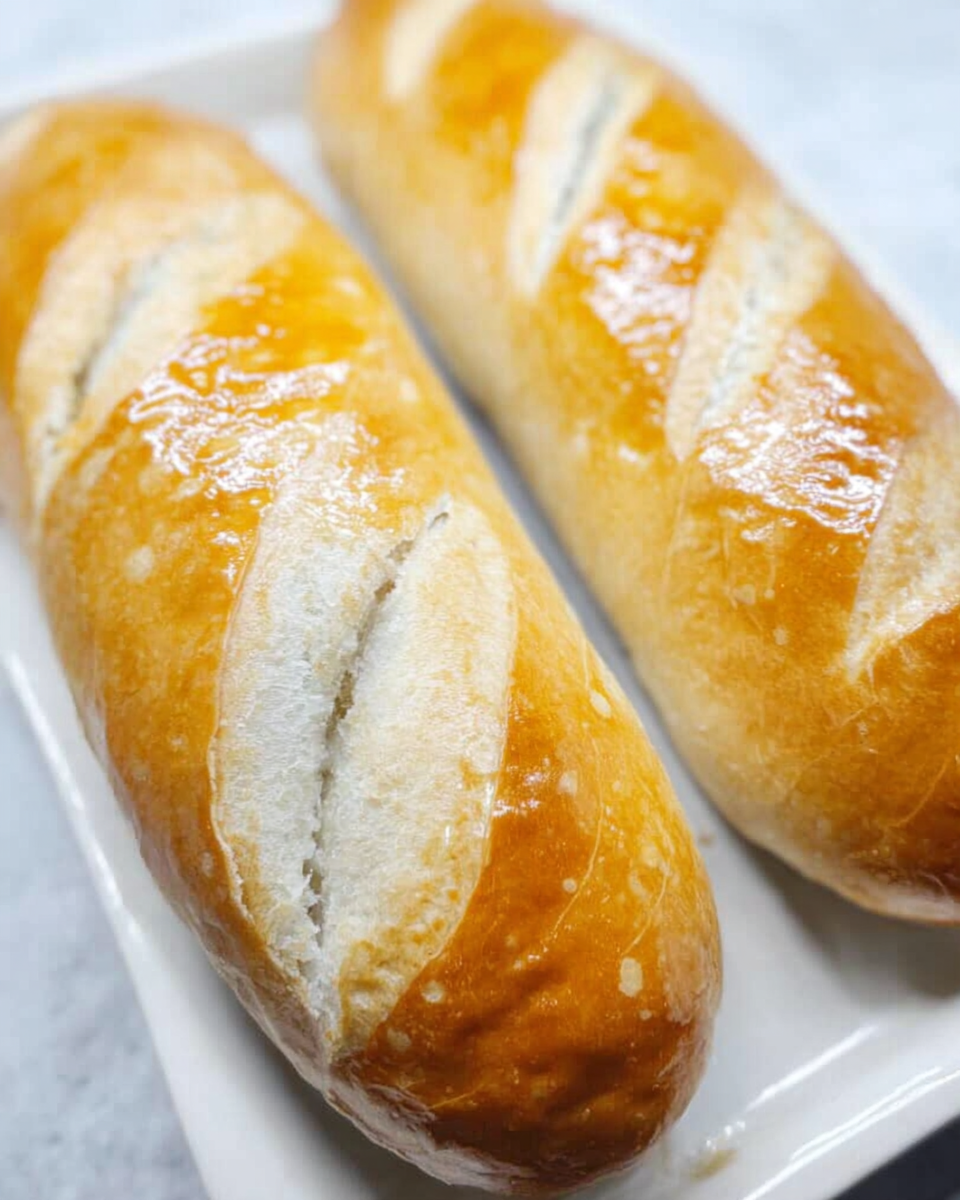
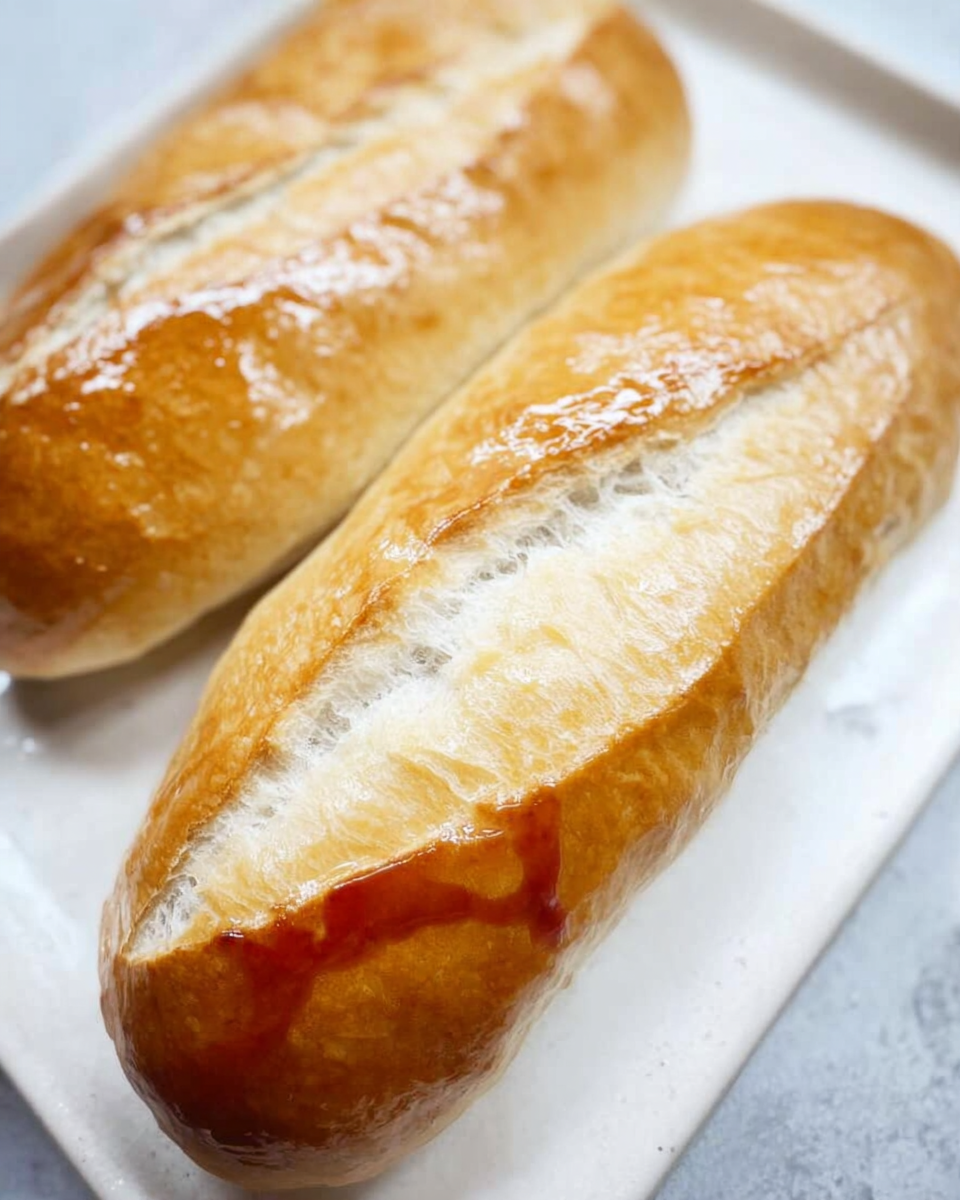
The signature diagonal cuts across the top aren’t just for appearance – they serve an important function. These slashes allow the bread to expand properly during baking, preventing irregular cracking and ensuring an even rise. After shaping, the loaves get their final rise of 30 to 60 minutes. The longer you can allow for this final rise, the better the flavor and texture will be.
Baking to Perfection
Baking at 400°F creates that perfect golden-brown crust while keeping the interior soft and chewy. The high initial temperature gives the yeast one last burst of activity before setting the structure. After 17 to 23 minutes, your bread should be beautifully golden, and when you knock on it, it should sound hollow – the classic test for doneness.
If your bread is browning too quickly, don’t panic. Simply cover it lightly with foil and reduce the temperature to 375°F. This technique prevents burning while allowing the interior to finish baking perfectly.
Serving Suggestions and Storage Tips
Fresh French bread is best enjoyed warm from the oven. The optional melted butter brushed on top adds a beautiful sheen and extra flavor. This bread pairs wonderfully with soups like our comforting cabbage roll soup or makes incredible sandwiches.
For storage, French bread is best consumed the day it’s made. If you have leftovers, wrap them tightly in plastic wrap or store in a bread box. You can also freeze sliced bread for up to three months – just toast slices straight from the freezer for nearly fresh-baked taste.
This French bread also makes fantastic bread for pizza when you want to create quick flatbreads or individual pizzas. Simply slice, top with your favorite ingredients, and bake until crispy.
Troubleshooting Common Issues
Even experienced bakers encounter challenges sometimes. If your bread isn’t rising properly, check that your yeast is fresh and your water temperature is correct. If the crust is too hard, you might be baking at too high a temperature or for too long. If the interior is dense, you may need to knead more thoroughly or allow more rising time.
Remember that bread baking is as much art as science. Humidity, altitude, and even the specific brand of flour can affect your results. Don’t be discouraged if your first attempt isn’t perfect – each loaf teaches you something new about the process.
Why Homemade French Bread Beats Store-Bought
There’s no comparison between homemade French bread and the mass-produced versions you find in supermarkets. The aroma alone is worth the effort, but the taste and texture are what truly set it apart. You control every ingredient, ensuring no unwanted additives or preservatives.
The satisfaction of creating something so beautiful and delicious from simple ingredients is unparalleled. Whether you’re serving it with dinner, using it for sandwiches, or enjoying it with butter and jam for breakfast, this French bread will become a staple in your baking repertoire.
This recipe proves that you don’t need special equipment or advanced skills to create bakery-quality bread at home. With a little patience and these simple steps, you can enjoy the warmth and comfort of fresh-baked French bread whenever the mood strikes.
French Bread
Ingredients
Equipment
Method
- In a small bowl, combine the warm water, yeast, and sugar. Let sit 5 minutes, or until it begins to foam.
- In a stand mixer fitted with a paddle attachment or in a large mixing bowl, stir together 2 cups flour and salt. Stir in the yeast mixture on medium-low speed or by hand. Knead in 1/2 cup of the remaining flour in increments until the dough is smooth but not sticky. Add more flour as needed.
- Rub the olive oil around the dough ball, cover the bowl with a towel and let rest 15 to 30 minutes. If you have more time, let rise up to 1 hour.
- Turn the dough onto a well-floured surface and divide it in half. Set one half aside. Roll the other half into a rectangle (about 15 inches). Starting from the long side, roll the dough into a cylinder.
- Turn both ends in and pinch the seams closed. Round the edges and place onto a baking sheet. Repeat with the second dough ball. Make three diagonal cuts across the top of each loaf. Cover loaves lightly with a towel. Let rise 30 to 60 minutes (the longer the better).
- Preheat the oven to 400°F. Line a baking sheet with a silicone mat or parchment paper. Bake 17 to 23 minutes, or until the tops are golden brown. When you knock on it, it should sound hollow. If it’s browning too fast, lightly cover with foil and lower the temperature to 375°F.
- Brush the top with melted butter, if desired. Slice and serve while warm.