World’s Best Basil Pesto Recipe: Fresh, Organic & Flavorful
World’s Best Basil Pesto Recipe: Fresh, Organic & Flavorful
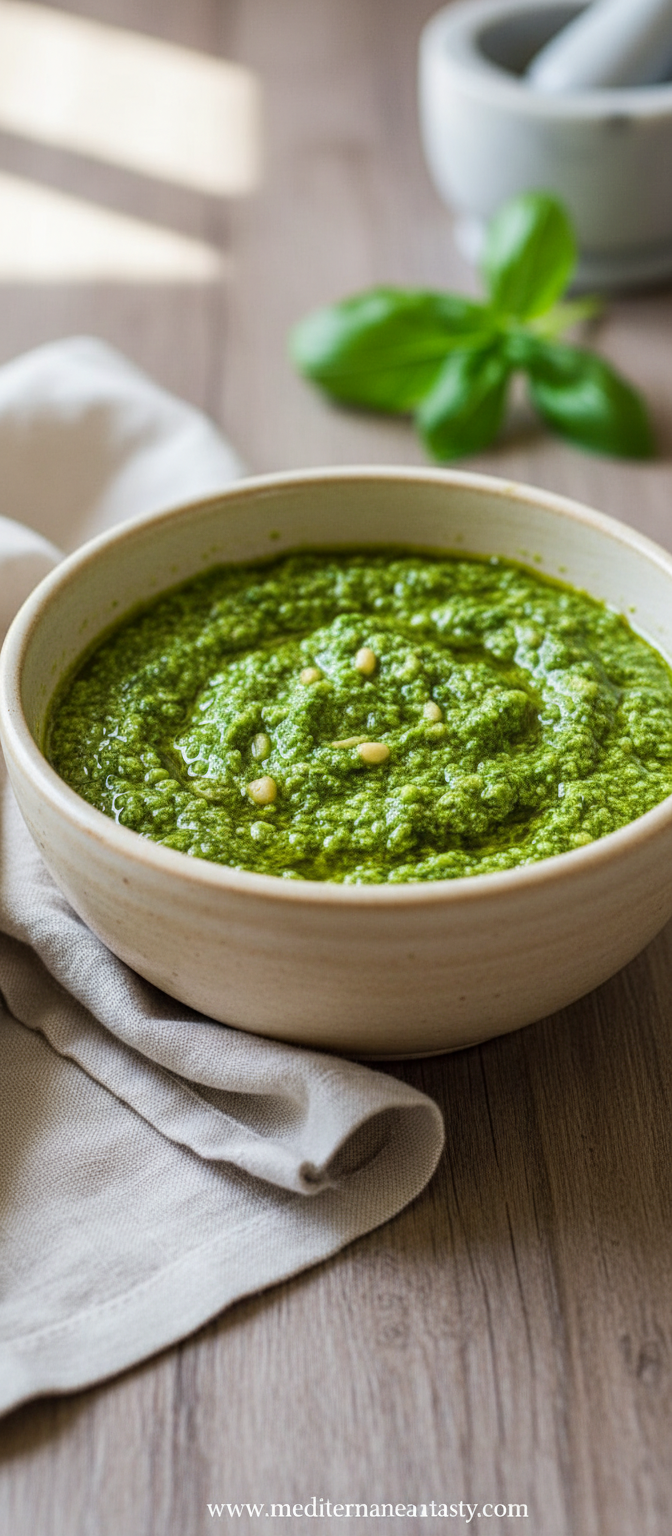
There’s nothing quite like the vibrant, fresh flavor of homemade basil pesto. This classic Italian sauce transforms simple ingredients into culinary magic that can elevate pasta dishes, sandwiches, appetizers, and more. Unlike store-bought versions, creating your own pesto allows you to control the quality of ingredients and customize the flavor to your preference.
This recipe captures the authentic taste of Ligurian-style pesto with a perfect balance of aromatic basil, rich pine nuts, savory Parmesan, and high-quality olive oil. Whether you’re a seasoned chef or a kitchen novice, you’ll find this recipe straightforward and rewarding.
Ingredients
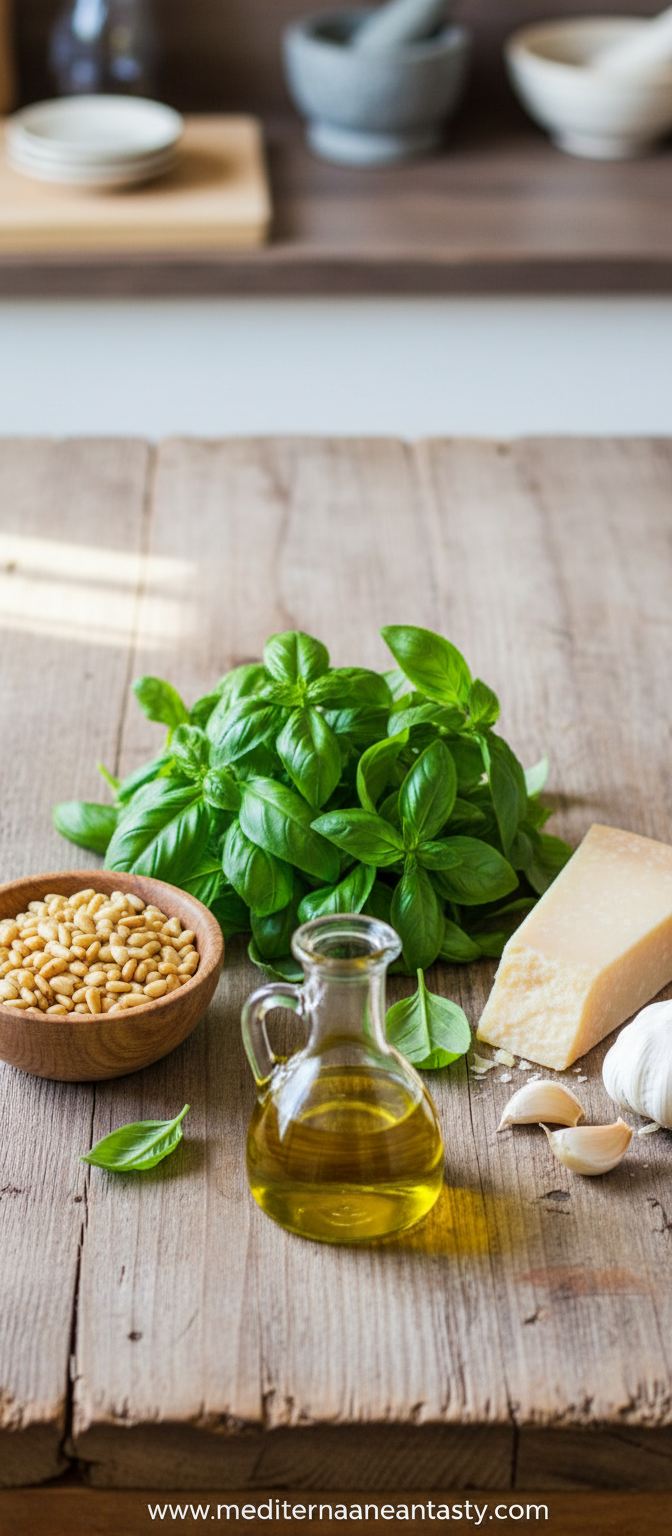
- 2 cups fresh basil leaves, packed
- 1/2 cup high-quality extra virgin olive oil
- 1/3 cup pine nuts
- 3 cloves fresh garlic, minced
- 1/2 cup freshly grated Parmesan cheese
- 1/4 cup Pecorino Romano cheese (optional, for extra flavor)
- Salt to taste (start with 1/2 teaspoon)
- Freshly ground black pepper to taste
- 1 tablespoon fresh lemon juice (to preserve color)
Step-by-Step Instructions
Step 1: Prepare Your Ingredients
Wash and thoroughly dry the basil leaves – moisture is the enemy of vibrant pesto. Toast the pine nuts lightly in a dry skillet over medium heat for 2-3 minutes until fragrant and golden. Let them cool completely.
Step 2: Combine Base Ingredients
In a food processor, combine the basil leaves, toasted pine nuts, and minced garlic. Pulse several times until the ingredients are roughly chopped.
Step 3: Add Cheese and Seasonings
Add the grated Parmesan, Pecorino (if using), salt, pepper, and lemon juice. Pulse a few more times to incorporate.
Step 4: Stream in Olive Oil
With the food processor running on low, slowly drizzle in the olive oil until the pesto reaches your desired consistency. Some prefer a chunkier pesto, while others like it smoother.
Step 5: Taste and Adjust
Taste your pesto and adjust seasonings as needed. You may want more salt, a squeeze of lemon, or additional olive oil.
Expert Tips
- Use the freshest basil possible – basil from your garden or local farmers market will yield the best flavor
- Toast nuts for deeper flavor – lightly toasting pine nuts enhances their nutty character
- Work quickly – basil can oxidize and turn brown, so make pesto just before serving if possible
- Freeze for later – pesto freezes beautifully; press plastic wrap directly on the surface before freezing to prevent oxidation
- Customize your nuts – try walnuts or almonds for a different flavor profile
FAQ
Can I make pesto without pine nuts?
Absolutely! Walnuts, almonds, or even sunflower seeds make excellent substitutes.
How long does homemade pesto last?
Stored in an airtight container in the refrigerator, pesto will keep for about 5-7 days. Freezing extends its life to 3-6 months.
Can I make pesto without cheese?
Yes, simply omit the cheese or use nutritional yeast for a dairy-free alternative with a similar umami flavor.
Why is my pesto turning brown?
Oxidation causes browning. Adding lemon juice helps, and pressing plastic wrap directly on the surface before storing minimizes air exposure.
What can I use pesto for besides pasta?
Pesto is incredibly versatile! Use it as a sandwich spread, pizza sauce, salad dressing, marinade for chicken or fish, or stirred into soups.
World’s Best Basil Pesto Recipe: Fresh, Organic & Flavorful
Ingredients
Method
- Prepare Your Ingredients: Wash and thoroughly dry the basil leaves. Toast the pine nuts lightly in a dry skillet over medium heat for 2-3 minutes until fragrant and golden. Let them cool completely.
- Combine Base Ingredients: In a food processor, combine the basil leaves, toasted pine nuts, and minced garlic. Pulse several times until the ingredients are roughly chopped.
- Add Cheese and Seasonings: Add the grated Parmesan, Pecorino (if using), salt, pepper, and lemon juice. Pulse a few more times to incorporate.
- Stream in Olive Oil: With the food processor running on low, slowly drizzle in the olive oil until the pesto reaches your desired consistency.
- Taste and Adjust: Taste your pesto and adjust seasonings as needed. You may want more salt, a squeeze of lemon, or additional olive oil.